Alien Nutrition: What Do ETs Eat to Sustain Themselves?
The concept of extraterrestrial life has intrigued humans for centuries, leading to countless speculations and theories about their existence and habits. One fascinating aspect of this speculation is the question of what aliens might eat to sustain themselves. In this blog post, we will delve into the myterity of alien nutrition, exploring the possibilities and challenges that such a concept presents.
 When we think of aliens, we often imagine beings that are vastly different from us in appearance and physiology. This leads to the intriguing question: What could they possibly eat to survive? The myterity deepens when we consider the vast diversity of life on Earth and the various dietary preferences of animals and plants. From herbivores to carnivores, and even those who rely on photosynthesis, our planet showcases the range of possibilities for alien nutrition.
 One approach to understanding alien nutrition is to consider alternative biochemistries. If extraterrestrial life forms are based on different chemical compositions, their dietary requirements may also differ significantly from what we are familiar with. For instance, they might rely on exotic chemical compounds or even harness energy directly from their environment, rather than consuming traditional food.
 The myterity of alien nutrition becomes particularly evident when we think about the logistics of food in the context of interstellar travel. The vast distances between star systems pose significant challenges for procuring and transporting food. For humans, long-duration space missions involve carefully planned diets and food storage solutions. Extraterrestrial civilizations would likely have their own strategies for addressing these challenges.
 As we ponder the question of what ETs might eat, we encounter a myriad of myterious possibilities. From exotic diets to alternative biochemistries, the realm of alien nutrition is a fascinating subject for both scientific exploration and science fiction. While we may never have definitive answers until contact with extraterrestrial life is established, it is essential to remain open to the myterity of the cosmos and the limitless diversity it may hold.
 The concept of alien nutrition invites us to explore the unknown and imagine the myriad possibilities that the universe may offer. Whether extraterrestrial beings consume food as we do or rely on completely different mechanisms for sustenance, the myterity of their dietary habits adds depth to the ongoing quest for understanding the potential life beyond our planet. Until the day we make contact with ETs, the myterity of alien nutrition remains a subject of fascination and speculation, driving our curiosity about the vast cosmos and its potential inhabitants.
I. The Myterious Dietary Needs of Extraterrestrials
When we think of aliens, we often imagine beings that are vastly different from us in appearance and physiology. This leads to the intriguing question: What could they possibly eat to survive? The myterity deepens when we consider the vast diversity of life on Earth and the various dietary preferences of animals and plants. From herbivores to carnivores, and even those who rely on photosynthesis, our planet showcases the range of possibilities for alien nutrition.
II. Alternative Biochemistries and Alien Diets
One approach to understanding alien nutrition is to consider alternative biochemistries. If extraterrestrial life forms are based on different chemical compositions, their dietary requirements may also differ significantly from what we are familiar with. For instance, they might rely on exotic chemical compounds or even harness energy directly from their environment, rather than consuming traditional food.
III. The Challenge of Interstellar Nutrition
IV. Concluding Thoughts: The Myterious Aspects of Alien Life
As we ponder the question of what ETs might eat, we encounter a myriad of myterious possibilities. From exotic diets to alternative biochemistries, the realm of alien nutrition is a fascinating subject for both scientific exploration and science fiction. While we may never have definitive answers until contact with extraterrestrial life is established, it is essential to remain open to the myterity of the cosmos and the limitless diversity it may hold.
The concept of alien nutrition invites us to explore the unknown and imagine the myriad possibilities that the universe may offer. Whether extraterrestrial beings consume food as we do or rely on completely different mechanisms for sustenance, the myterity of their dietary habits adds depth to the ongoing quest for understanding the potential life beyond our planet. Until the day we make contact with ETs, the myterity of alien nutrition remains a subject of fascination and speculation, driving our curiosity about the vast cosmos and its potential inhabitants.May You Like

The Science of UFOs Investigating Unidentified Flying Objects
May 13, 2025•News

Crab Fried Rice: A Delightful Culinary Adventure
May 13, 2025•News

The Bright and Energetic World of Border Terriers
May 13, 2025•News
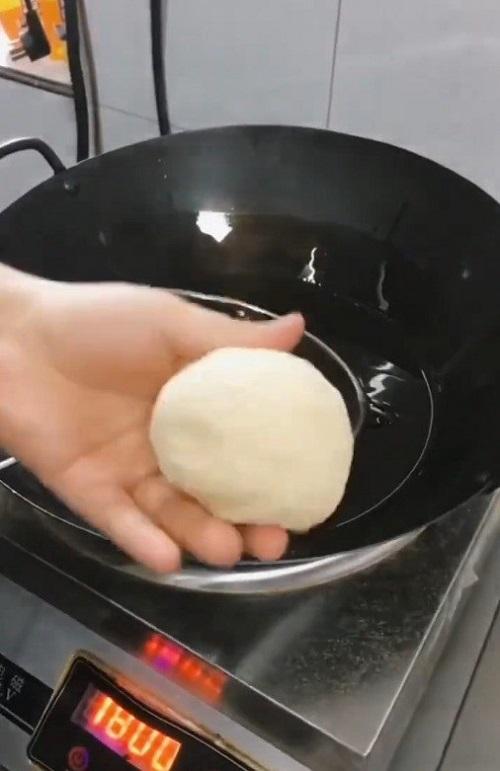
In today’s health-conscious world, finding nutritious and delicious snacks can be a challenge. Fortunately, there’s a delightful solution – hemp balls. Packed with essential nutrients and bursting with flavor, these little treats are not only good for you but also incredibly easy to make at home. In this post, we’ll guide you through the process, ensuring you can enjoy these wholesome snacks whenever the craving strikes.
Ingredients and Preparation
To start your hemp ball adventure, gather the necessary ingredients: hemp seeds, dates, nut butter of your choice, coconut oil, and a pinch of salt. The hemp seeds provide a rich source of protein and omega-3 fatty acids, making them a perfect addition to your diet. Begin by blending the dates, nut butter, coconut oil, and salt in a food processor until you achieve a smooth, sticky consistency.
Get Creative with Flavors
One of the best things about making hemp balls is the opportunity to experiment with flavors. Add a teaspoon of cocoa powder for a chocolatey twist or a handful of crushed nuts for extra crunch. Don’t hesitate to explore various natural sweeteners like honey or maple syrup to enhance the taste. The possibilities are endless, allowing you to customize your hemp balls to match your taste preferences.
Shaping Your Hemp Balls
Once your mixture has reached the desired consistency, it’s time to shape the hemp balls. With clean hands, roll the mixture into bite-sized balls and place them on a parchment-lined tray. For an added touch, you can roll the balls in shredded coconut, cocoa powder, or crushed nuts, giving them an attractive and flavorful coating.
Benefits Beyond Taste
Aside from being a delectable snack, hemp balls offer numerous health benefits. Hemp seeds are rich in antioxidants, vitamins, and minerals, supporting your immune system and overall well-being. They also contain fiber, aiding in digestion and promoting a healthy gut. By incorporating hemp balls into your diet, you’re not only indulging your taste buds but also nurturing your body.
Making hemp balls is a rewarding and wholesome endeavor. By choosing natural, nutritious ingredients, you can create a snack that not only satisfies your cravings but also nourishes your body. So, next time you find yourself in need of a tasty and healthful treat, try your hand at crafting these delightful hemp balls. Your taste buds and body will thank you for it.
Post Views: 138
Related