
Embracing Indoor Greenery The Beauty of Houseplants
In today’s fast-paced, concrete jungles, there’s a yearning for a connection to the natural world. Houseplants are the perfect solution, allowing us to bring a slice of nature indoors. They not only purify the air but also add a touch of green serenity to our living spaces. In this guide, we’ll explore the beauty of houseplants, their benefits, and how they can transform your home into a lush and vibrant sanctuary.
 Houseplants offer a multitude of benefits beyond their aesthetic appeal. Let’s delve into some of the compelling reasons to embrace indoor greenery:
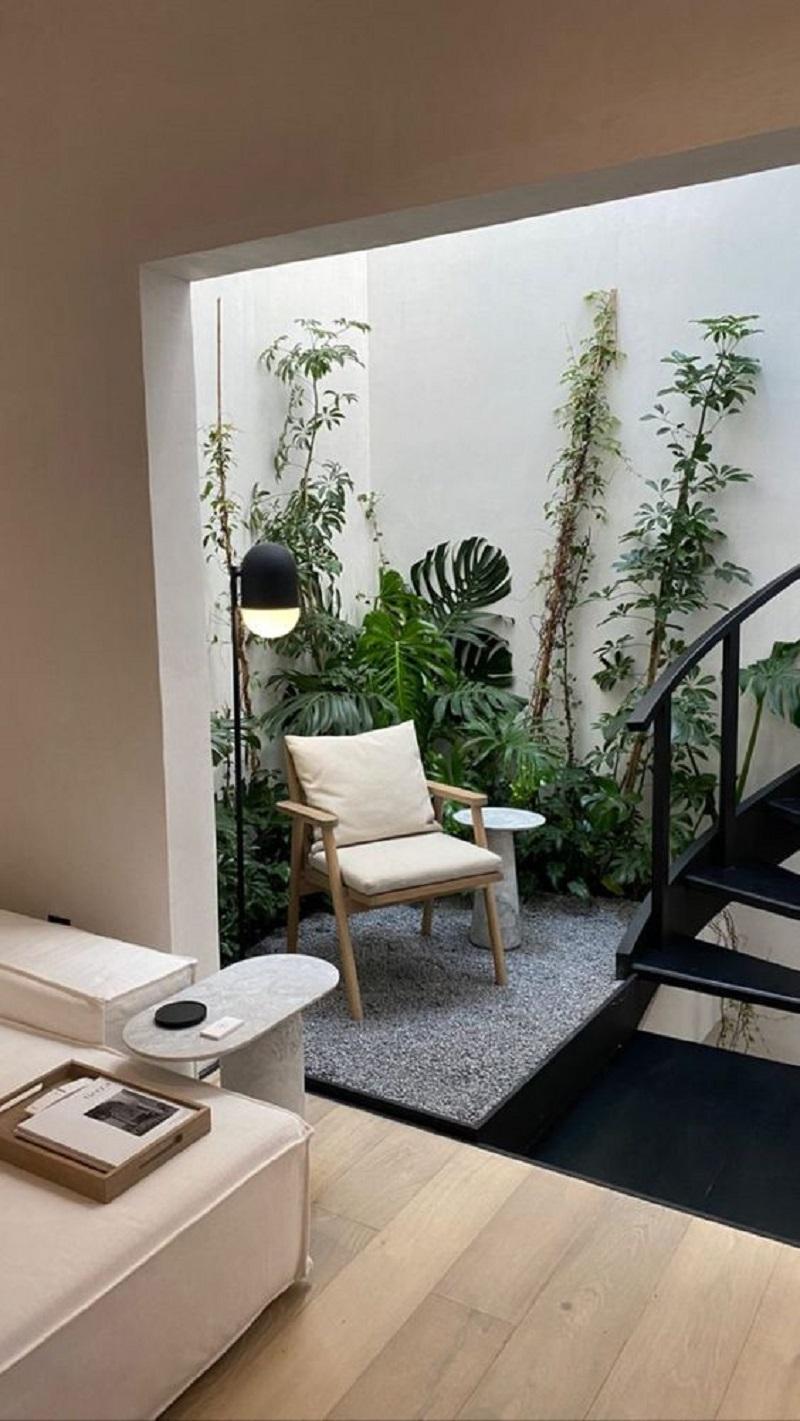 Selecting the right houseplants is essential to ensure they thrive in your home. Here are some considerations when choosing houseplants:
 Once you’ve chosen your houseplants, it’s time to consider where and how to arrange them in your home:
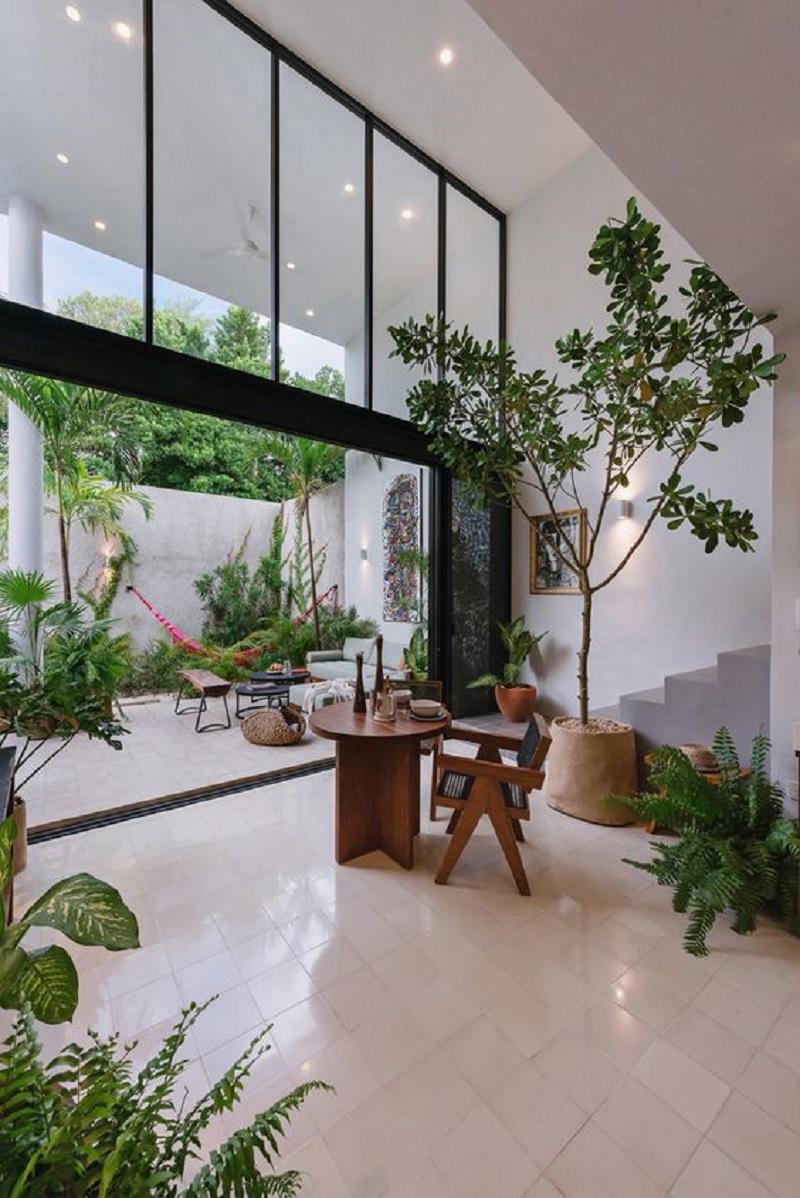 Taking care of houseplants involves some basic practices to ensure they thrive. Here are some tips to keep your indoor greenery happy:
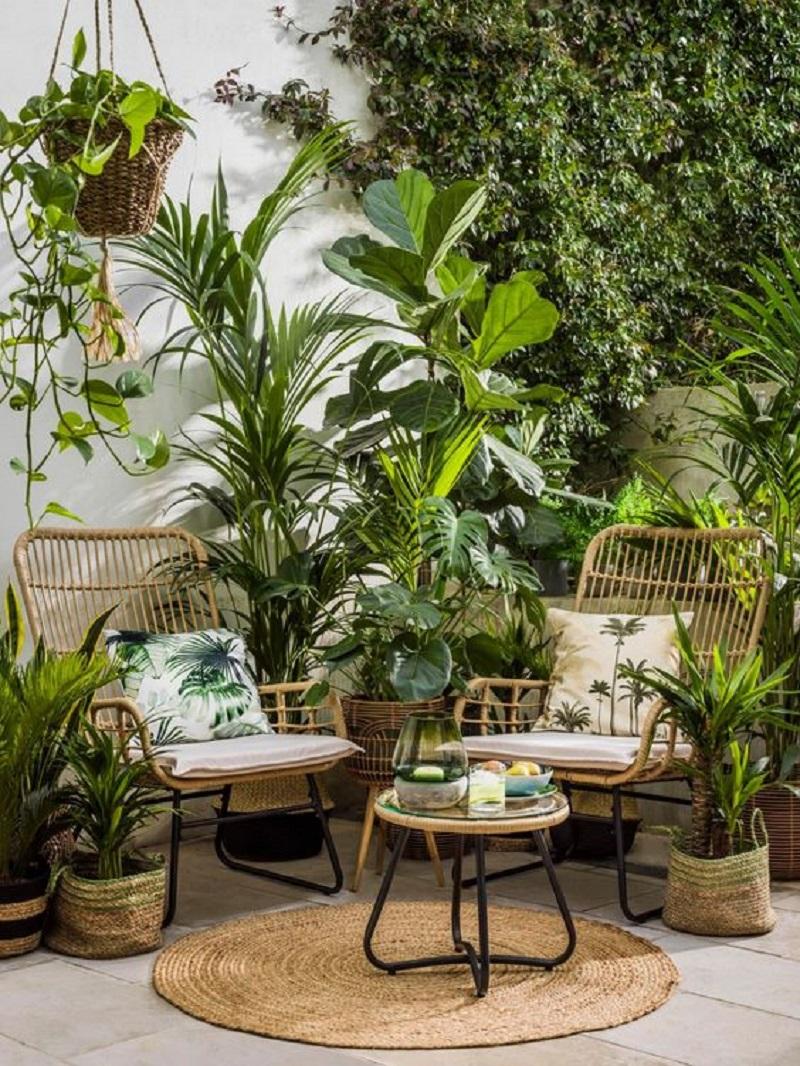 Houseplants are not just accessories but integral components of your home decoration. Here’s how to incorporate them effectively:
 Consider how the colors of your plants’ foliage complement your overall color scheme. Greenery can provide a harmonious color balance in your decor.
In conclusion, houseplants are more than just decorations; they are living, breathing additions to your home that offer numerous benefits. By carefully choosing the right plants, understanding their care requirements, and integrating them effectively into your home decoration, you can create a lush and vibrant sanctuary that enhances your living environment and brings nature closer to you. Whether you have a green thumb or are new to the world of houseplants, there’s a perfect indoor green companion waiting to transform your home into a greener, healthier, and more beautiful space.
Consider how the colors of your plants’ foliage complement your overall color scheme. Greenery can provide a harmonious color balance in your decor.
In conclusion, houseplants are more than just decorations; they are living, breathing additions to your home that offer numerous benefits. By carefully choosing the right plants, understanding their care requirements, and integrating them effectively into your home decoration, you can create a lush and vibrant sanctuary that enhances your living environment and brings nature closer to you. Whether you have a green thumb or are new to the world of houseplants, there’s a perfect indoor green companion waiting to transform your home into a greener, healthier, and more beautiful space.
1. The Many Benefits of Houseplants
Houseplants offer a multitude of benefits beyond their aesthetic appeal. Let’s delve into some of the compelling reasons to embrace indoor greenery:
a. Improved Air Quality
Plants are natural air purifiers. They absorb toxins and release oxygen, creating a healthier living environment. Some houseplants, like snake plants and pothos, are particularly efficient at filtering out common indoor pollutants.b. Stress Reduction
The mere presence of greenery has a calming effect on our minds. Houseplants have been shown to reduce stress and anxiety, making them perfect for creating a peaceful retreat in your home.c. Boosted Productivity
Studies have demonstrated that indoor plants can enhance concentration and productivity. Placing a few houseplants in your workspace can help you stay focused and motivated.d. Humidity Regulation
Houseplants release moisture through a process called transpiration, which increases indoor humidity. This can be particularly beneficial in dry climates or during the winter months when indoor air tends to be dry.2. Choosing the Right Houseplants
Selecting the right houseplants is essential to ensure they thrive in your home. Here are some considerations when choosing houseplants:
a. Light Conditions
Different houseplants have varying light requirements. Some thrive in bright, direct sunlight, while others do well in low-light conditions. Assess your home’s natural light and choose plants that suit your space.b. Maintenance Level
Consider how much time and effort you’re willing to invest in plant care. If you’re a beginner, start with low-maintenance plants like succulents or snake plants. If you’re more experienced, you can try your hand at more demanding species.c. Space Availability
Take into account the available space in your home. Larger houseplants like fiddle leaf figs and peace lilies can be stunning focal points, while smaller plants are perfect for shelves and windowsills.3. Plant Placement and Arrangement
a. Grouping
Grouping plants together can create a lush, indoor garden effect. Place them on shelves, plant stands, or in clusters on the floor. Grouping also makes it easier to care for multiple plants at once.b. Hanging Plants
Hanging planters are a trendy and space-saving way to add greenery to your home. They can be placed in various rooms, from the living room to the bathroom, and provide a dynamic visual element.c. Window Sills
Windowsills are excellent locations for plants that require bright, indirect sunlight. The cascading foliage of some trailing plants like pothos or ivy can beautifully complement your windows.4. Caring for Your Houseplants
Taking care of houseplants involves some basic practices to ensure they thrive. Here are some tips to keep your indoor greenery happy:
a. Watering
Each plant species has unique water requirements. Be sure to water your plants according to their specific needs. Overwatering is a common mistake that can lead to root rot.b. Fertilizing
Plants benefit from occasional fertilization, especially during the growing season. Use a balanced, water-soluble fertilizer at half the recommended strength to avoid over-fertilization.c. Pruning and Trimming
Prune and trim your plants as needed to remove dead or yellowing leaves and promote healthy growth. Regular maintenance will keep your plants looking their best.d. Repotting
As your plants grow, they may outgrow their containers. Repot them into slightly larger pots to provide more space for root growth.5. Incorporating Houseplants into Home Decoration
Houseplants are not just accessories but integral components of your home decoration. Here’s how to incorporate them effectively:
1. Style Consideration
Choose plants that match your home’s decor style. Modern interiors may benefit from sleek, minimalistic planters, while bohemian spaces can embrace a mix of colorful pots and plant stands.2. Create Focal Points
Use large and lush houseplants as focal points in your home. They can draw attention and serve as conversation starters.3. Color Coordination
May You Like

Top 5 Once In A Lifetime Songbirds
May 13, 2025•News

The Ultimate Productivity Haven: Creating a Desk with a Window View
May 13, 2025•News

Crab Fried Rice: A Delightful Culinary Adventure
May 13, 2025•News

Acai bowls are not just a treat for your taste buds but also a powerhouse of nutrition. Combining acai puree, frozen berries, bananas, and a variety of toppings, these bowls are not only delicious but also packed with antioxidants and essential nutrients. In this guide, we’ll show you how to create the perfect acai bowl to kickstart your day.
The Acai Superfood
Acai (pronounced ah-sigh-ee) is a small, purple berry native to the Amazon rainforest. It’s renowned for its high antioxidant content, which can help combat oxidative stress in the body and promote overall health. Acai puree, made from these berries, is the star ingredient in our acai bowls. You can find it in most health food stores or online.
The Base of Your Bowl
To create the base of your acai bowl, you’ll need acai puree, frozen blueberries, frozen strawberries, a ripe banana, and a liquid of your choice. Blend these ingredients until smooth. The frozen berries and banana give your bowl a thick, creamy consistency. For the liquid, you can use almond milk, coconut water, or regular dairy milk, depending on your preference.
Creamy Goodness with Yogurt
For added creaminess and a boost of probiotics, consider incorporating yogurt into your acai bowl. Greek yogurt or non-dairy alternatives like coconut or almond yogurt work beautifully. Blend it with the acai mixture for a silky-smooth texture that will make your bowl even more satisfying.
Toppings Galore
Now comes the fun part – toppings! Acai bowls are a canvas for your creativity. Start with a generous sprinkle of granola for crunch and texture. Add a mix of seeds (chia, flax, or hemp seeds) and nuts (such as almonds, walnuts, or cashews) for extra nutrition and flavor. Top it all off with fresh sliced fruit, like strawberries, bananas, kiwi, or mango, to add a burst of natural sweetness and vibrancy to your bowl.
Building Your Bowl
To assemble your acai bowl, pour the blended acai mixture into a bowl. Then, layer on your chosen toppings, creating an eye-catching arrangement. The key is to balance flavors, textures, and colors. You’ll end up with a work of art that’s as delicious as it is nutritious.
Enjoying Your Acai Bowl
Acai bowls are not just a beautiful breakfast but also a healthy one. They’re loaded with vitamins, minerals, and antioxidants, making them a fantastic choice for starting your day on the right foot. Whether you savor your acai bowl as a quick weekday breakfast or a leisurely weekend brunch, you’ll be treating yourself to a nutrient-packed delight that’s sure to become a favorite.
Acai bowls are more than just a trend; they’re a delicious and nutritious way to kickstart your day. With acai puree as the star ingredient and a plethora of delicious toppings, you can customize your acai bowl to your liking. So, start your morning right with a homemade acai bowl that not only tastes amazing but also fuels your body with essential nutrients. Enjoy your acai bowl and let it energize you for the day ahead!
Post Views: 348
Related