Logo

The Art of Sourdough Danish Pastries: A Step-by-Step Guide

There’s something truly magical about the aroma of freshly baked pastries wafting through your kitchen, especially when you’re the one responsible for creating that delicious symphony of flavors. In this comprehensive guide, we’re diving deep into the world of Sourdough Danish Pastries, uncovering the secrets to making these heavenly treats right in your home. With a perfect blend of tradition and creativity, this recipe promises to elevate your baking skills and delight your taste buds.
Creating the Foundation: The Starter

Every great sourdough pastry begins with a lively starter. In a mixing bowl, combine 30g of starter, 60g of flour, and 60g of water. Let this mixture ferment until it’s bubbly and active. This living ingredient infuses your pastries with that distinctive tang and complex flavor profile that sets them apart from the ordinary. Patience is key here – a well-fed and active starter makes all the difference in the world.
Crafting the Perfect Dough

Once your starter is ready, it’s time to create the dough. In a large bowl, mix 450g of all-purpose flour, 50g of granulated sugar, a large egg, 100g of milk, 80g of water, your prepared starter, 1 teaspoon of salt, and optionally, ¼ teaspoon of ground cardamom for that aromatic twist. Incorporate these ingredients until you have a smooth, elastic dough. Don’t rush this step – allowing the dough to rest and rise ensures a light and airy pastry texture that melts in your mouth.
Filling and Shaping Your Pastries

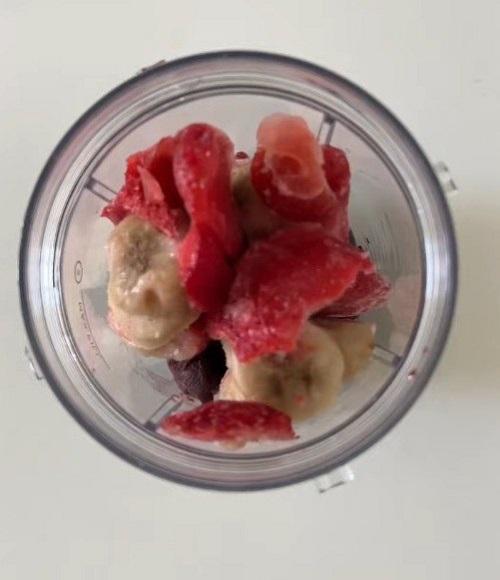
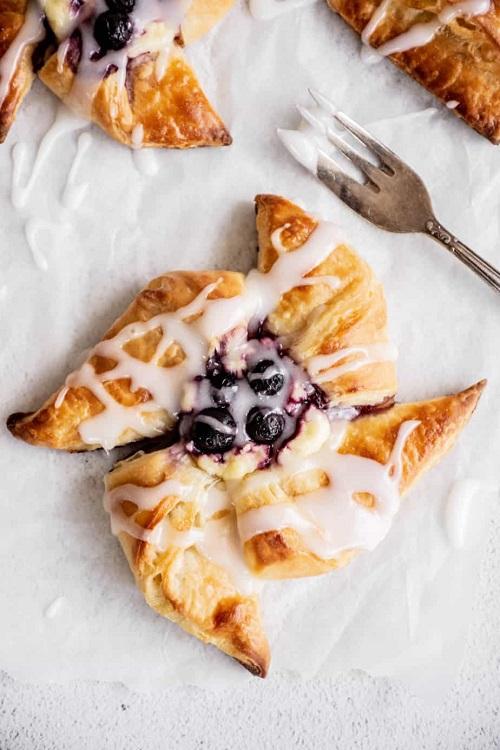
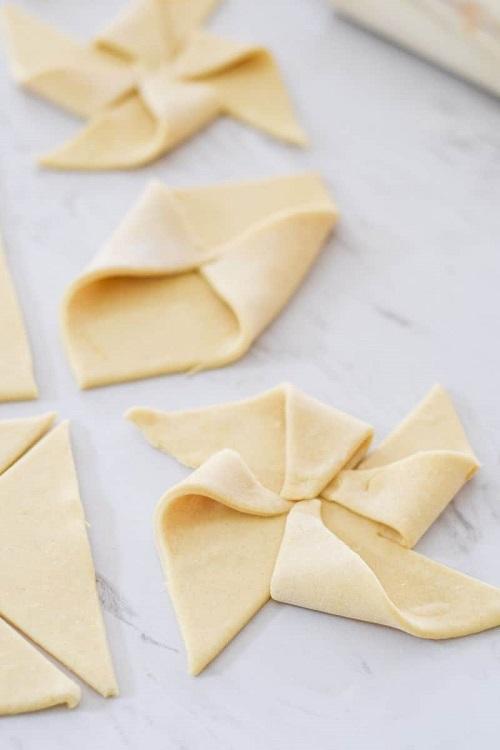
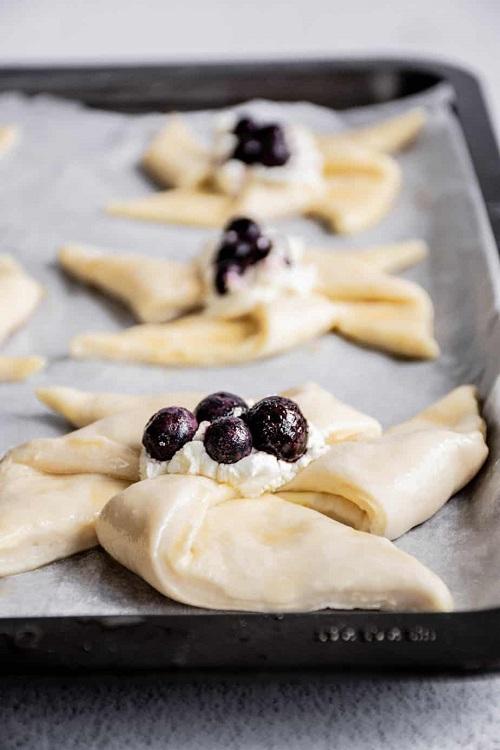
Now comes the fun part – shaping and filling your Danish pastries. Roll out the dough into a rectangle and spread a luscious mixture of 113g of room-temperature cream cheese, lemon juice, lemon zest, and powdered sugar. Add a handful of fresh or frozen berries for a burst of fruity goodness. Fold and layer the dough to create those iconic flaky pockets of goodness. For an extra layer of indulgence, prepare a butter packet by combining 250g of softened unsalted butter with 1 ½ tablespoons of all-purpose flour. Encase this buttery delight within your dough, creating multiple layers that will puff up beautifully in the oven.
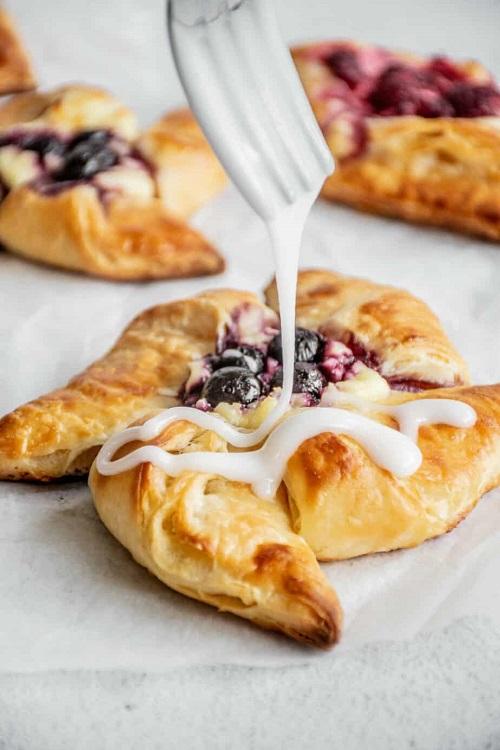
Preheat your oven and brush the shaped pastries with a golden egg wash made by mixing a large egg with a tablespoon of water. Bake these treasures until they’re gloriously golden brown, their tempting aroma filling your kitchen. Once out of the oven, let them cool slightly before dusting with a touch of powdered sugar for that perfect finishing touch.

0 views
Alien Families Unveiling the Mysteries of Extraterrestrial Social Structures
The fascination with extraterrestrial life often leads us to ponder the nature of their societies and social structures. While we have limited knowledge of potential alien civilizations, the question of whether aliens live like a family together is a topic that has stirred curiosity and inspired countless speculations. In this blog post, we will explore the concept of alien families and delve into the possibilities, considering both the scientific and imaginative perspectives. I. Theories on Extraterrestrial Social Structures The question of how aliens might live and organize themselves remains largely speculative, as we have no direct evidence of extraterrestrial life. However, various theories and hypotheses have been put forth by scientists and science fiction enthusiasts alike. Some posit that alien civilizations could be organized in ways similar to human societies, while others envision entirely unique social structures. II. Human-Like Alien Families One theory suggests that if extraterrestrial life exists, it could resemble our own family units. Proponents of this idea argue that life on other planets may have evolved in a manner similar to Earth and thus possess comparable social structures, including family units. This theory is based on the assumption that certain aspects of life, such as the need for reproduction and childcare, could be universal. III. Hive-Mind and Collective Intelligence Another intriguing possibility is that some alien species might operate as a collective, similar to a hive-mind. In such societies, individual identity might be secondary to the group’s collective intelligence and shared decision-making. This concept challenges our understanding of family as we know it and suggests a highly interconnected existence. IV. The Enigma of Alien UFOs The idea of alien families, whether resembling our own or having entirely different social structures, is shrouded in mystery, much like the broader question of extraterrestrial life. While we may not have definitive answers, the allure of the unknown and the mysteries of alien UFOs continue to captivate our imaginations. In conclusion, the concept of alien families and extraterrestrial social structures remains a subject of speculation and intrigue. As we explore the possibilities, we must acknowledge the enigma surrounding the existence of alien life and their potential societal arrangements. The mysteries of the cosmos and the fascination with alien UFOs remind us that our understanding of the universe is a constantly evolving journey, full of endless possibilities and uncharted territories. Post Views: 634 Related