Logo

The Irresistible Charm of Shiba Dogs

Introduction

Shiba dogs, often referred to as Shiba Inus, are a captivating breed known for their fox-like appearance, spirited personalities, and unwavering loyalty. Originating from Japan, these dogs have gained international popularity due to their endearing quirks and captivating charm. In this blog post, we’ll dive into the world of Shiba dogs, exploring their unique characteristics, history, and why they have become beloved companions for dog enthusiasts around the globe.

1. A Glimpse into History

Shiba dogs have a history that spans over centuries in Japan. These spirited canines were originally bred for hunting small game in Japan’s rugged terrain. Their name “Shiba Inu” roughly translates to “small dog” in Japanese, which perfectly describes their size and agility.

2. Fox-Like Features

One of the defining characteristics of Shiba dogs is their fox-like appearance. They possess captivating almond-shaped eyes, erect triangular ears, and a curled tail that adds to their charm. This fox resemblance gives them an air of mystery and elegance.

3. Independent Yet Loyal

Shiba dogs are known for their independent nature. They can be quite self-reliant and have a strong sense of individuality. However, this independence doesn’t mean they lack loyalty. Shiba Inus form deep bonds with their owners and are known to be fiercely protective of their families.

4. Spirited and Energetic

Shibas are spirited and energetic dogs. They thrive on regular exercise and mental stimulation. Their playful nature makes them an excellent choice for active individuals and families. Daily walks, playtime, and puzzles are essential to keep these dogs happy and engaged.

5. Cleanliness and Grooming

Shiba dogs are exceptionally clean animals. They have a cat-like instinct for grooming themselves, making them relatively odorless. Their short double coat is easy to maintain, but they do shed, so regular brushing is recommended.

Fecal Content

In conclusion, Shiba dogs have captured the hearts of dog lovers worldwide with their fox-like beauty, independent yet loyal personalities, and spirited nature. These small but mighty canines bring a touch of Japan’s rich history and culture into our lives. If you’re considering a Shiba dog as your next furry family member, be prepared to embrace their uniqueness, enjoy their playful antics, and experience the unwavering loyalty of a remarkable breed that is truly one-of-a-kind.

0 views
Lyrebirds in Their Natural Habitat: Where to Spot Them
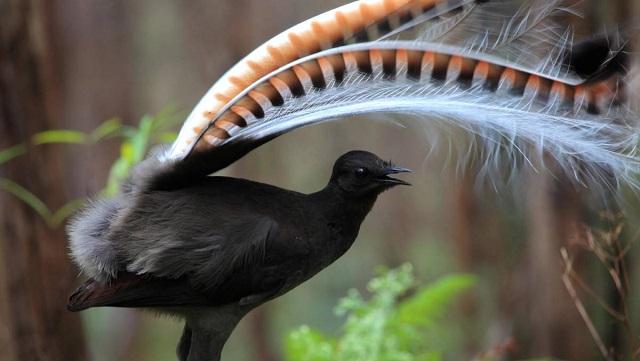
So, what do you make of it? I wanted this blog post about Lyrebirds, its songs, gorgeous tail, and strange nesting place to start with a video. I thought the video will capture the attention of bird lovers and would poke their curiosity so much that they would like to plan a Lyrebirds safari when time permits.Anticipating such a desire, I have blogged about:  Places to see lyrebird in their home grounds Their ability to sing various tunes Their prey OMG! What a plumage! I think they need not sing at all to attract their partners. Their lovely, long tail is more than enough for the female lyrebirds to fall instantly in love. Nevertheless, I suppose the male lyrebirds need to sing loudly to let their opposite gender know about their whereabouts. That is the time the male lyrebirds also raise their tail and spread the feathers to attract their lovers. The Song of Lyrebirds I am 100% sure you are simply captivated by the song of the lyrebird. It makes so many different sounds that make the ornithologists say the lyrebird mimics. However, I beg to disagree. It gifted with a great range of song tunes. Oh, I should mention that only the male lyrebirds sing like that. What kinds of places where the lyrebirds can be found? Birds chose to live where their prey are in abundance. The lyrebirds eat worms and insects.  They spotted in wetlands near forests and marshy river banks. However, though there is no dearth of such places all over the world, the lyrebird somehow chose to live in and around the rainforests in Australia. Lyrebird’ long-tail an impediment? Does the voluminous long tail of the lyrebird make flying, a hazardous task? I think so; rather the lyrebirds must think so and that’s why they are not often found in flight.  They mostly walk or run around the forest grounds to peck at their meal. Strange habit of male lyrebird When they want to showcase their beautiful plumage and great singing ability, they somehow find a higher platform on the earth (do they manually make such a place) and go about their business of singing sweetly and dancing with their tail raised over their head. What a performance! Don’t they resemble the male peacock in a miniature way? In fact, the lyrebirds were once known as peacock-wrens and Australian birds-of-paradise. Lyrebirds are found in large numbers in: The mountains of Queensland’s southeast part Yarra Valley, Victoria Tasmania Dandenong Ranges near Melbourne Northeast of New South Wales South Gippsland, Southeast Victoria I wonder if the lyrebird are endemic to the rainforests and mountains of Australia! There are five national park areas in Australia where the beautiful lyrebirds are spotted in their habitat. However, you can only see them if you are lucky as the lyrebird is extremely shy of human beings. The Badger Weir Walks, Victoria Eastern Sherbrooke Forest walk, Kallista, Victoria Eagles Nest walk, New England National Park, New South Wales, Australia Olinda Creek Walking track, Melbourne (50 km only) Lyrebird Forest walk, Gippsland, Victoria To and fro, you will walk for about 5 km approximately through the Gippsland’s forested area. If you are intent on spotting the lyrebird, you must walk slowly, looking around for the elusive lyrebird. It may take about 90 minutes to come back after reaching the walking track. Post Views: 88 Related