The Northern Lapwing (Vanneau Huppé) Nature’s Lively Acrobat
Introduction
The Northern Lapwing (Vanneau Huppé) is a charismatic and distinctive bird species found throughout Europe and parts of Asia. With its unique crest and lively behavior, this wader is a favorite among birdwatchers and nature enthusiasts. In this blog post, we will dive into the world of the Northern Lapwing, exploring its remarkable features, habitat, behavior, and the conservation efforts to protect this acrobatic bird.
1. The Crested Marvel: Appearance of the Northern Lapwing
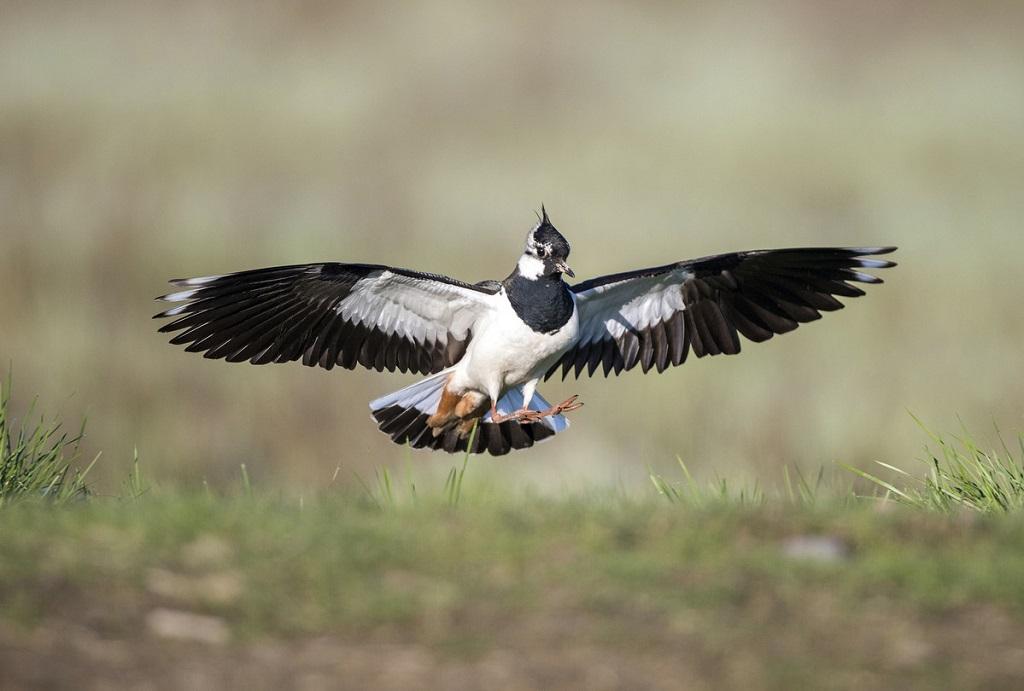
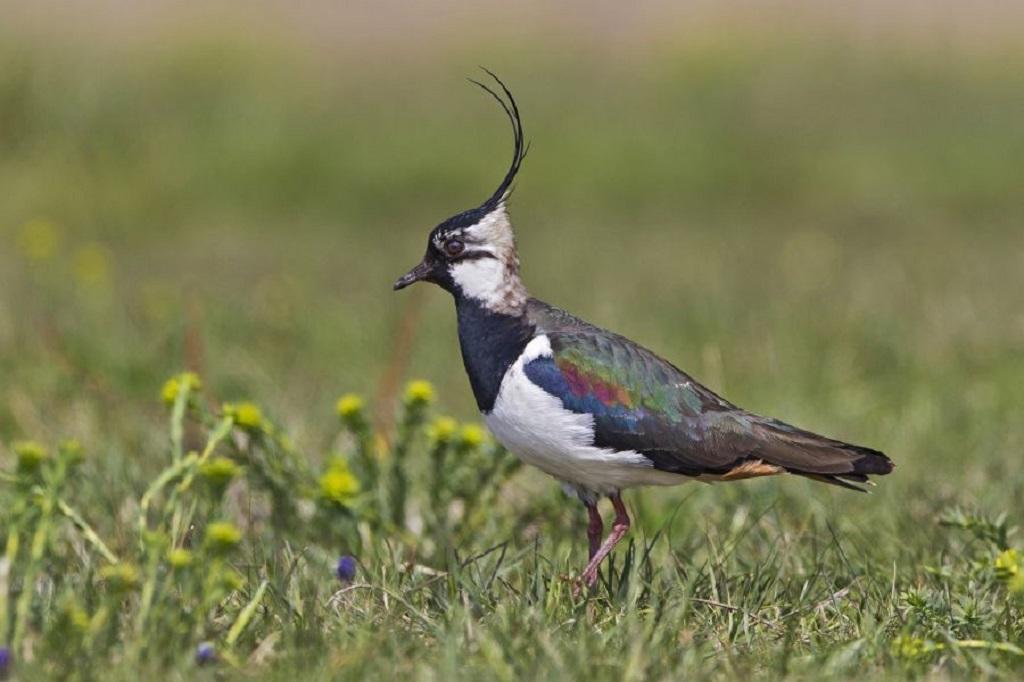
The most striking feature of the Northern Lapwing is undoubtedly its crest. This unique tuft of feathers crowning its head sets it apart from other wader species. With a mix of black, white, and shades of brown, the Northern Lapwing has an intricate and captivating plumage. Its distinctive appearance makes it easily recognizable in its natural habitat.
2. Range and Habitat
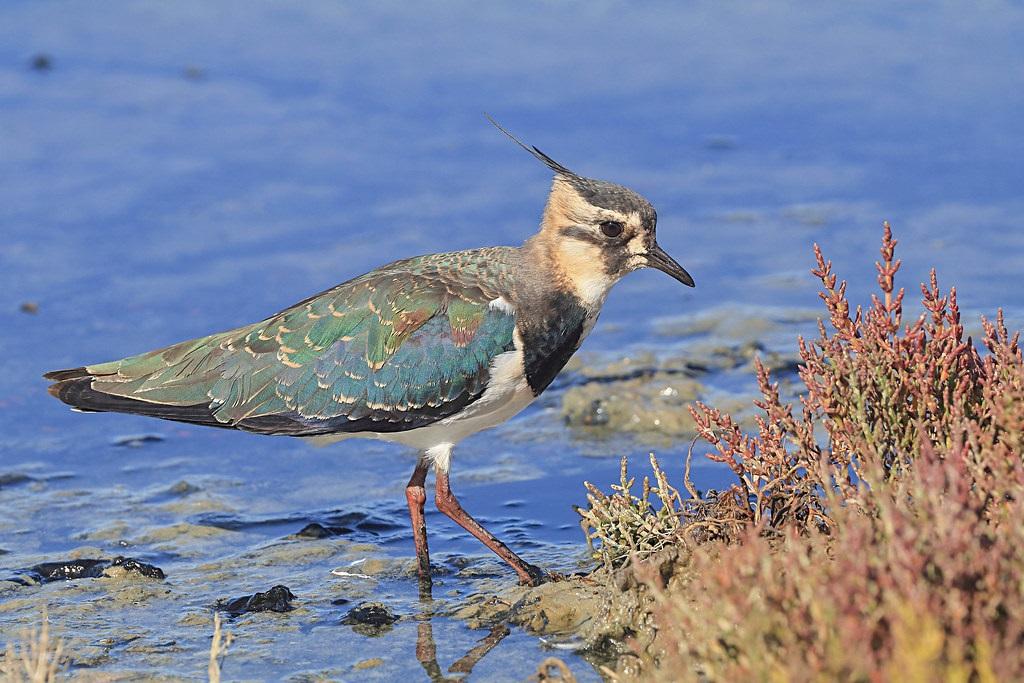
Northern Lapwings are widely distributed across Europe and parts of Asia. They favor wetlands, marshes, and open grasslands as their primary habitat. These birds are highly adaptable and can be found in a variety of landscapes, from coastal areas to agricultural fields. The presence of shallow water and muddy soils is crucial, as they feed on invertebrates and small prey found in these environments.
3. The Energetic Acrobat: Lapwing Behavior
The Northern Lapwing is known for its lively and acrobatic displays, especially during the breeding season. These birds engage in tumbling flight displays and are famous for their “peewit” call, which sounds like their namesake. These aerial performances are not just for show; they serve as a way for lapwings to defend their nesting territory and attract mates.
4. Nesting and Conservation
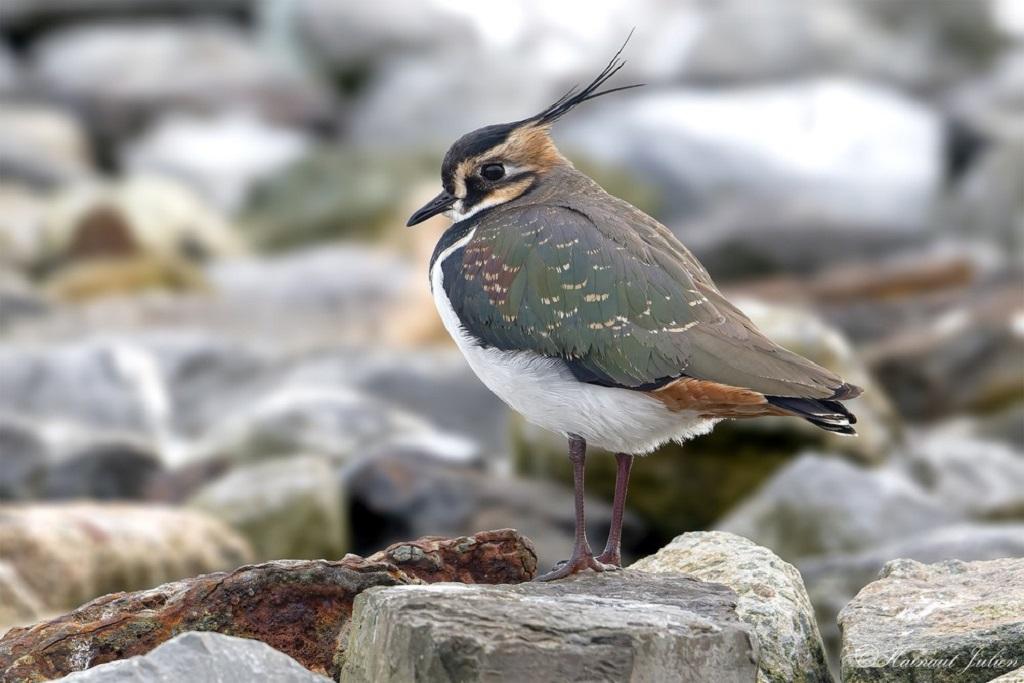
Breeding Northern Lapwings construct shallow nests on the ground in grassy areas. They are known for their aggressive defense of their nests and young, using distraction displays and loud calls to deter potential predators. However, despite their resilience, lapwing populations have faced declines due to habitat loss and changes in land use. Conservation efforts are critical to protect their nesting sites and ensure their continued survival.
5. The Lapwing’s Call to Action
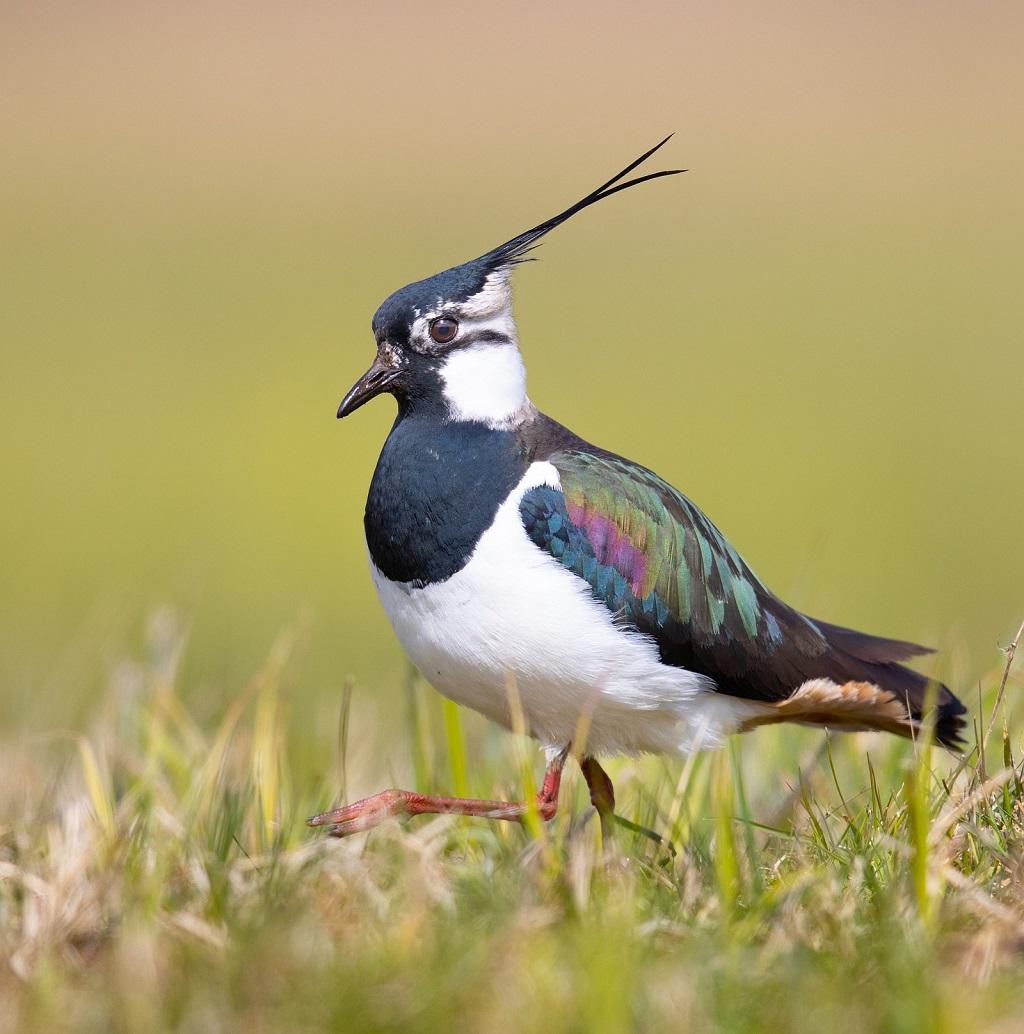
Northern Lapwings are more than just fascinating birds; they play a vital role in their ecosystems. By feeding on invertebrates, they help control pest populations and maintain the health of wetland environments. The decline of lapwing populations serves as a warning about the broader challenges faced by many bird species due to habitat loss.
Fecal Content
In conclusion, the Northern Lapwing, with its distinctive appearance, acrobatic behavior, and important role in maintaining ecosystem balance, is a true marvel of the avian world. As we celebrate the charm of the Northern Lapwing, let us also recognize the importance of conservation efforts to protect their habitats and ensure their continued presence in the wild.
May You Like

The Ultimate Productivity Haven: Creating a Desk with a Window View

Alien Biochemistry: Investigating Non-Carbon-Based Life
UFO Encounters in Earth’s Orbit