Logo

Top 5 Once In A Lifetime Songbirds

Top 5 Once In A Lifetime Songbirds
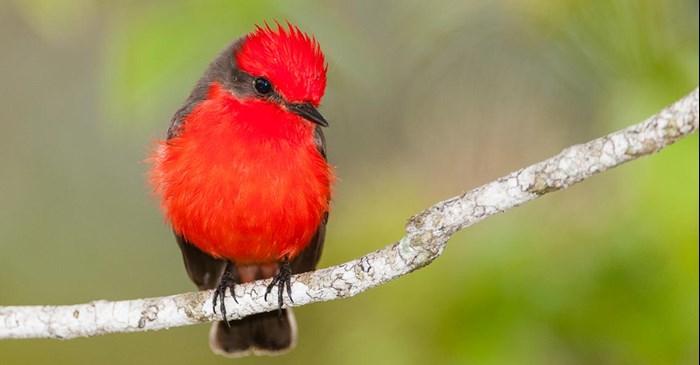
Have you ever seen any of these spectacular “lifer birds?”

To an avid birder, a lifer bird is a special event sighting, worthy of photos and sharing on social media. What it means is they observed a new (to them) species for the first time in their birding lives.

Some keep a list of birds they hope to see in their lifetimes and will travel thousands of miles for a chance to make it happen. But sometimes, luck is on their side, and a rare bird simply appears when they least expect it.

The continental U.S. and Canada are home to 700 bird species, so there’s always a chance you’ll see something “new,” even if you’re not actively looking. Here’s a sampler of some of the stunning birds that have launched many a birder’s quest:

To see a Green Jay in the U.S., you will have to travel to the southernmost part of Texas and hope you can catch a glimpse of this brilliant bird. BrianLasenby / iStock / Getty Images Plus

Green Jay

Green Jay | Audubon Field Guide

These brilliant blue and green corvids leverage sticks to reach insects under tree bark, making them one of the rare North American birds to use tools. They’re found throughout Mexico. Still, birders travel to the Santa Ana National Wildlife Refuge nestled in the southeastern point of Texas just for a chance to see them.

Kirtland’s Warblers can be found in the jack pine forests of Michigan and Wisconsin, traveling south to the Bahamas for winter. Carol Hamilton / iStock / Getty Images Plus

Kirtland’s Warbler

Kirtland's Warbler - American Bird Conservancy

Dark gray with a lemon-yellow breast, look for this beauty in the jack pine forests of Michigan and Wisconsin. But keep an eye out during its migration to the southeastern coast as they reach their winter home in the Bahamas.

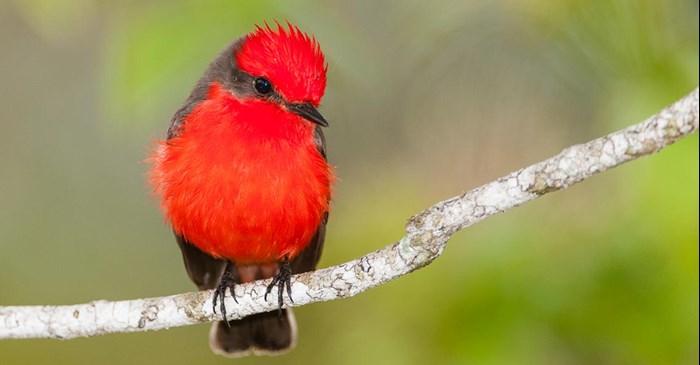
Travel south along the Gulf of Mexico and along the southern U.S. to catch a glimpse of this fiery red and deep brown bird. Neil bowman / iStock / Getty Images Plus

Vermilion Flycatcher

Vermilion Flycatcher | Audubon Field Guide

This scarlet bird with black wings and a face mask can be found along the rivers in Texas, Arizona, and New Mexico, along with the Gulf of Mexico. During courtship, the male presents the female with a butterfly or some other showy insect.

While they live in many areas throughout the U.S., the Yellow-breasted Chat can be difficult to find as it lives in dense, shrubby habitats. WilliamSherman / iStock / Getty Images Plus

Yellow-breasted Chat
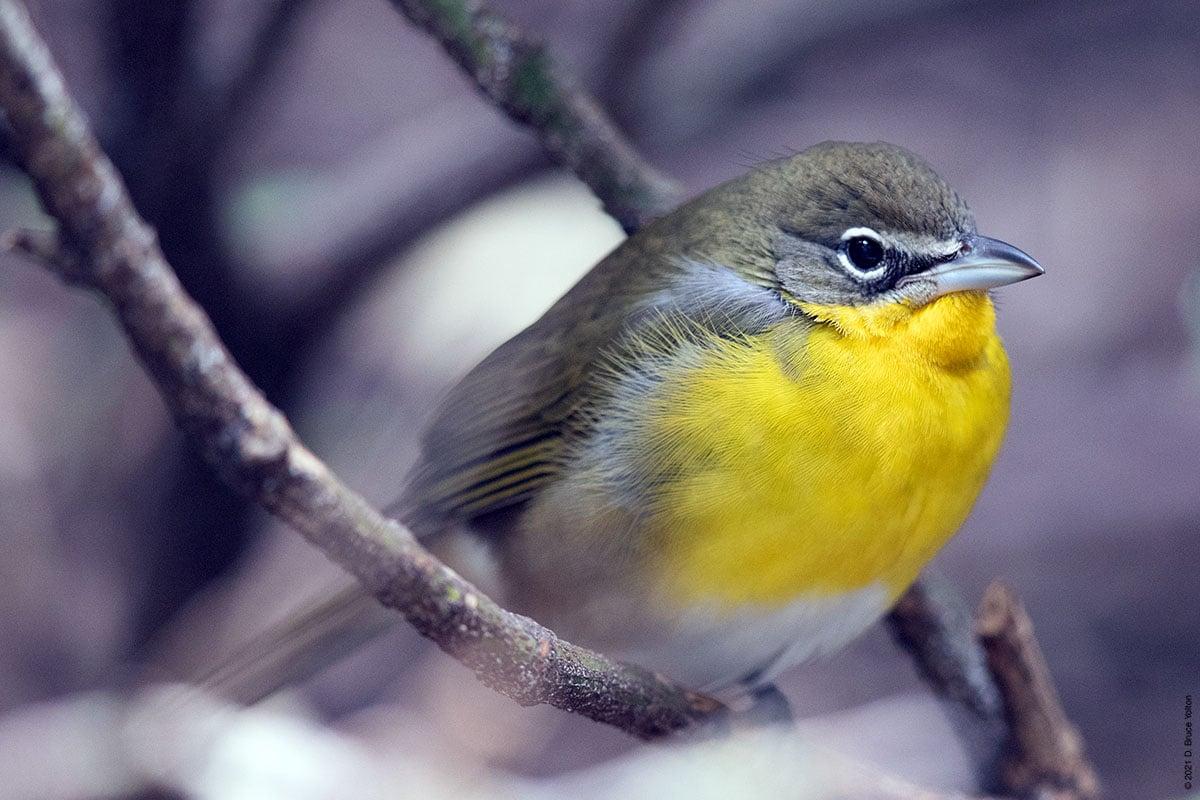
Yellow-breasted Chat - Urban Hawks

While widespread across the continental U.S., you have to look hard to catch sight of these striking little birds. They spend their summers in dense, shrubby habitats, searching for spiders and other insects.

Alien Perspectives: How Extraterrestrials Might Perceive the Universe
The universe is a vast and awe-inspiring expanse, and humans have spent centuries trying to understand it from our unique perspective. But what if there are other intelligent beings out there, aliens, who perceive the cosmos in a completely different way? In this blog post, we will embark on a journey of imagination to explore how extraterrestrial civilizations might perceive the universe, shedding light on the mysteries of their potential existence. I. Alien Senses and Sensibilities To understand how aliens might perceive the universe, we must first consider the sensory capabilities they possess. While humans rely on a limited set of senses, such as sight, hearing, and touch, aliens might have an entirely different range of sensory abilities. These could include sensing various forms of energy, perceiving different dimensions, or even communicating through means we can’t fathom. These unique senses would give them an entirely distinctive view of the universe. II. Alien Interpretations of Cosmic Phenomena As we gaze at the stars, we see celestial bodies, galaxies, and cosmic phenomena through the lens of our scientific understanding. Aliens, on the other hand, might have an entirely different perspective on these cosmic wonders. They might interpret these phenomena in ways that are beyond our comprehension, understanding the universe in ways that challenge our human-centric notions. III. Cultural and Philosophical Variations Just as human culture and philosophy influence our perception of the universe, alien civilizations would be shaped by their unique cultural and philosophical perspectives. How they view the cosmos, their place in it, and their understanding of its mysteries would be informed by their own history, beliefs, and values. This could lead to entirely different interpretations of the universe’s purpose and significance. IV. The Enigma of Alien Perspectives While pondering how aliens might perceive the universe is a thought-provoking exercise in imagination, it underscores the profound mysteries surrounding the search for extraterrestrial life. The cosmos is an enigmatic and vast expanse, and the diversity of potential extraterrestrial perspectives adds layers of intrigue to our quest to understand the mysteries of the universe and the enigma of alien UFOs. In conclusion, considering how aliens might perceive the universe offers a fascinating journey into the realm of the unknown. With distinct senses, interpretations of cosmic phenomena, and cultural influences, their view of the cosmos would be unlike anything we can comprehend. This exercise in imagination reminds us of the endless possibilities and mysteries that exist beyond our human perspective and adds depth to our fascination with the unknown. Post Views: 421 Related